
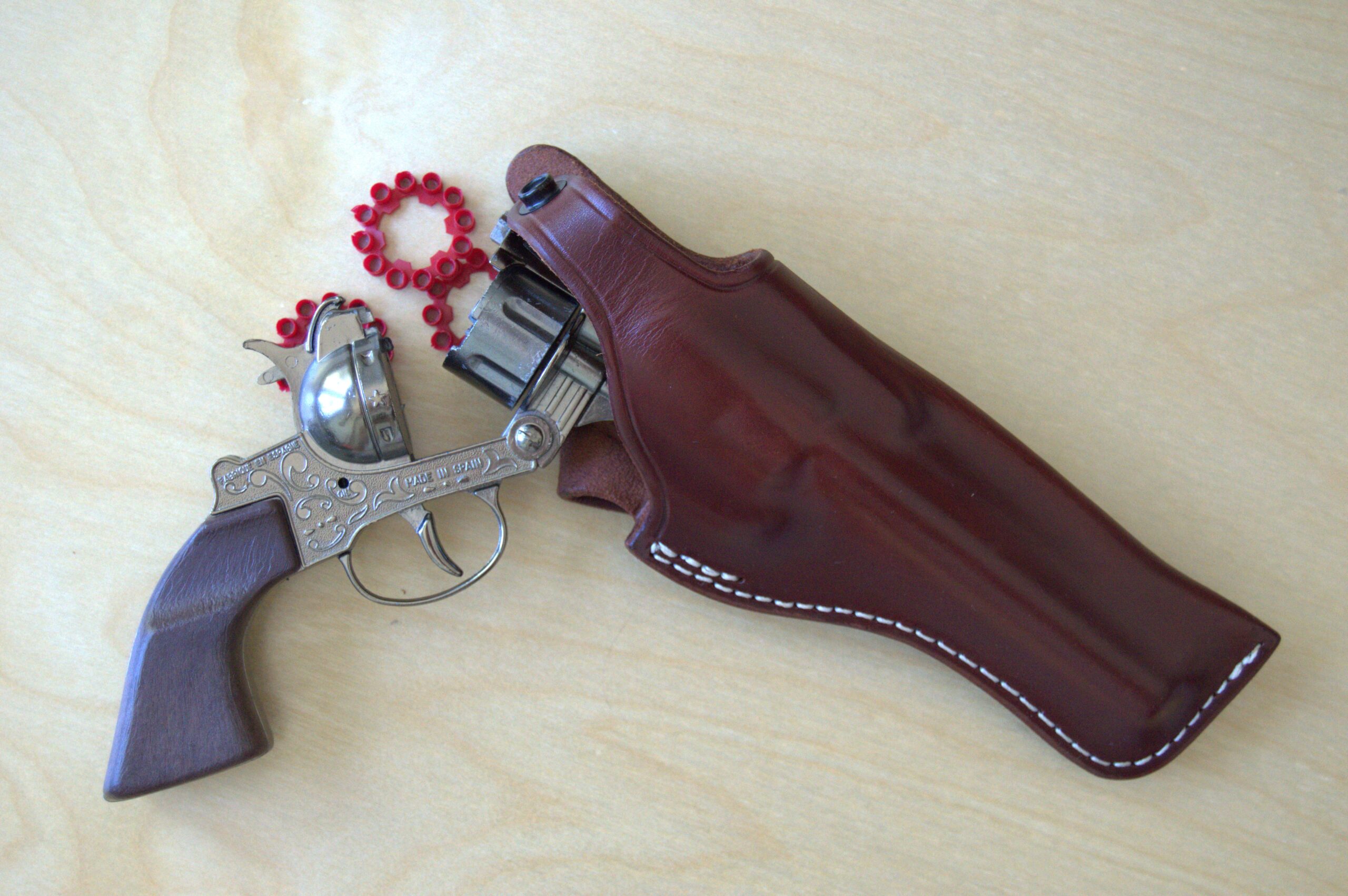
The novice and savvy gun buyers alike, are not immune to face one day the joy-robbing, soul-crushing calamity of purchasing a gun that ends up revealing its true nature, turning from a highly anticipated purchase to a source of remorse, souring aggravation or plain ol’ dismay. Sucky gun is a recognized condition, that’s a sad reality. Some of these accursed guns can be salvaged and even turned around and some others, sadly, will live a long life of irritation for whoever has the misfortune to spend their hard-earned monies on that dangerous paperweight. What makes a gun suck, and why does that happen?
Trigger
That one might be the most instantaneously revealed issue on a gun. Unlike the sociopathic romantic interest, the trigger cannot love-bomb you for a few days and then make an about face and cut you from your friends and family and abuse you. No. Triggers are honest, and straightforward things, and have no malice in them. What you see is what you get. Perhaps more correctly, what you feel is what you get, and that is where some of the issues start. Many gun stores, whether they are required by law or choose this protection for liability reasons, install on their display guns a trigger blocking device. It is intended to prevent a person handling the gun to use it at the counter, which is rarely for lighthearted reasons and almost always accompanied by sinister consequences. As a result, an honest buyer can only fondle the gun awkwardly, without being able to test one of the main part of the gun. Internet purchases are the extreme case where the buyer relies on a stock image to purchase a gun. While they may have been able to test the trigger on a gun they could handle, each gun is different, and the ordered gun may have a disappointing trigger.
The trigger might just be what it is because of the action type of the gun. A double action trigger will be much heavier and longer than when cocked for single action shooting. A Glock trigger will never be like a 1911 trigger: it has to do a lot of work to disengage the many clever internal safeties before releasing the striker. Military rifles’ triggers are usually useable as such but leave a lot to be desired. Spring kits can help with double action revolvers and pistols, trigger kits or springs can improve the feel of a striker fired pistol, and many milspec triggers can be replaced easily and affordably. If your gun has a poor trigger but no aftermarket parts, a gunsmith may be able to help. Do not try to mess with a trigger or safety: this is an accident waiting to happen.
Accuracy
This one can rarely be tested before buying the gun, though an email recently landed in my mailbox proposing a try-before-you-keep program. Maybe this will become a widespread option, but this is too soon to bet money on that. Some guns are inherently more accurate than others, and their accuracy also heavily depends on the ammunition used. Try a few different loads, and keep your expectations reasonable. A pistol meant for self defense is not built for competition grade accuracy. Your snubby may not win any tournament, but as long as it does what it was meant for at the distance it was meant for, all is well. Do not expect match grade accuracy when using cheap range fodder, but if your gun falls below the expected accuracy with several types of good ammo, well, your gun may suck. Sadly, other than tightening some actions screws, there are a few causes for poor accuracy that can be remediated by the owner without the help of a competent gunsmith or significant costs. If the gun is not built for accuracy or manufactured with poor craftmanship or care, very little can be done.
Handling
The blissful moment of handling your purchase freed from its trigger shackle has finally come, and, to your dismay, it feels more like a limp fish handshake given with shifty eyes rather than the expected virile and firm squeeze and frank look in the eyes. Or rather than a silky caress, the gun feels like a garden edging cinderblock. The rifle that was meant to mount to the shoulder like a dream feels like an obese python trying to nonchalantly slither its way out of your support arm while leaving your gripping hand. Many other examples abound, and all these are symptoms of a sucky gun. When it comes to grips, you may be able to change parts or all of them. For many guns, replacement panels of different textures and/or thickness are available. Revolvers usually have a good selection of aftermarket grips. Polymer framed pistols may have some replaceable backstraps that suit your hand better, but many do not, leaving the owner with a limp cinderblock snake. Poorly fitting rifle stocks can be changed for aftermarket ones. Other than the grip or stock, one factor in the handling of a gun is its balance. Some guns just plain feel bad once we have them in hand. There is little remedy for that, unfortunately, other than accepting it or selling the gun.
Reliability
Some guns are not reliable. That one is a big one, with possible dramatic consequences. Having a range toy make a habit of failing to go boom after the click, trying to cram a couple of rounds in the chamber at once or refusing to consistently spit out the casings is frustrating enough in itself. It is never fun to interrupt the good times to clear out jams, especially every three shots. Now, imagine this happening at the worst moment possible, when you are relying (heaven forbid) on the gun to stop a life-threatening attack. Sucky does not even start to describe this predicament. We may be tolerant of a flaky gun if we only take it to the range to make noise or teach targets a lesson, but one cannot (and should not) depend on a less-than-reliable gun for their protection. Some guns may only be reliable with certain ammo. Make sure you find out, and test with enough rounds. Some guns are prissy and will misbehave at the mere mention of dust. These will not like to travel in your belt. That applies to rifles too. Without going into battlefield scenarios, it is poor manners from a rifle to turn into a club just as the angry boar is directing its brutal attention to your shins, or when the bear that you just shot has figured that you are the reason it is suddenly having a bad day. Some guns can usually see improvement in the reliability department for the cost of replacing a few worn out or out of specs parts, or a trip to a competent gunsmith. The ghost of unreliability may linger, and losing sleep over it is not worth keeping the gun, unless it has sentimental value and/or is not to be pressed into serious service.
Price
We are blessed in this day and age with a wide variety of guns at all price points. There is a generous selection of affordable guns that are perfectly adequate in all of what we can ask them to do. Some budget-priced models also punch well above their price tag, making for a good surprise. The opposite stands true as well, and it is a sucky feeling to realize that we paid a little extra for a gun that ends up being nothing more than a basic model in with make up, if that. Some outfits truly deliver gems worth every goshdang a many pennies you paid for. Barely handling one of such guns in a gun store will leave a lasting impression and result in lots of twisting and turning at night in desperate craving of such works of ballistic art (I’m looking at you Staccato and Freedom Arms). Sadly, some other well-established manufacturers charge top shelf tariffs but fall short of expectations. Maybe too much is invested in advertising campaigns and videogame hype rather than in the materials and the workforce.
To be continued…
God only knows why such horrors like sucky guns are allowed to come into our existences, but it sure makes us appreciate the good guns… In the next post, we will continue diving into the litany of horrors that can afflict an innocent gun.